
The evolution of gambling A journey through history and its transformations
The Origins of Gambling
The history of gambling can be traced back to ancient civilizations, where it was often intertwined with religious practices and social rituals. Archaeological evidence suggests that games of chance were played in Mesopotamia as early as 3000 BC, utilizing dice made from bones. The Sumerians are credited with inventing games that involved betting, laying the groundwork for future gambling practices. These activities were not only forms of entertainment but also served to strengthen community bonds and cultural identity. Today, many players explore online avenues, including SlotsCharm, to engage in these time-honored activities.
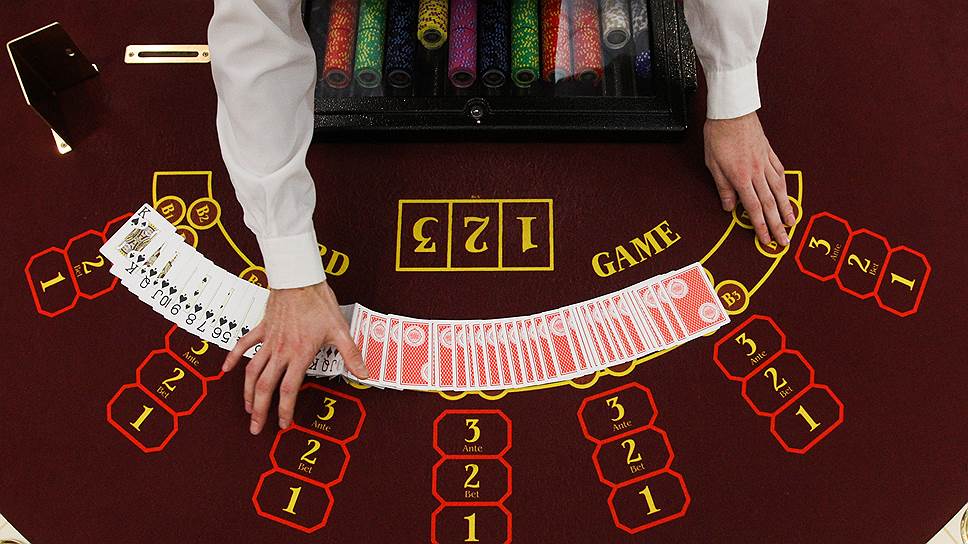
In ancient Rome, gambling was a popular pastime, with citizens engaging in betting on gladiatorial contests and chariot races. This fascination with games of chance led to the establishment of various betting laws and regulations. While some emperors attempted to curb the practice, it became deeply embedded in Roman society. As a result, gambling began to evolve from simple games into a more organized and complex system, influencing cultures around the world.
The Middle Ages saw gambling transform further, particularly in Europe, where card games began to gain prominence. Playing cards were introduced from Asia and quickly became a staple in social gatherings. This period also saw the advent of various gambling houses and establishments, allowing for more structured betting environments. The blending of local customs with gambling practices set the stage for the diverse array of games we recognize today.
The Rise of Casinos
The 17th century marked a significant turning point in the evolution of gambling with the establishment of the first official casinos. The Casino di Venezia in Italy, opened in 1638, is often credited as the world’s oldest gambling house. These venues provided a dedicated space for gambling activities, attracting aristocrats and the affluent. The allure of high-stakes games and luxurious surroundings made casinos a symbol of status and prestige, further entrenching gambling in social culture.
As casinos proliferated across Europe, so did the variety of games available, including baccarat, roulette, and craps. This diversification mirrored societal changes and advancements in entertainment, leading to a more refined gambling experience. The industrial revolution in the 19th century facilitated the growth of casinos in places like Monte Carlo, where glamorous events attracted international patrons. Such developments emphasized the role of gambling as not only a pastime but a vital aspect of leisure and social interaction.
In the 20th century, the emergence of Las Vegas as a gambling hub revolutionized the industry. The construction of lavish casinos coupled with high-profile entertainment transformed the city into a global gambling destination. This shift demonstrated the commercialization of gambling, as large corporations invested heavily in casino development. Las Vegas became synonymous with gambling, forever changing the landscape of gaming and entertainment, while also influencing regulations and gambling laws worldwide.
The Digital Revolution and Online Gambling
The advent of the internet in the late 20th century ushered in a new era for gambling, paving the way for online casinos. The first online gambling platform launched in 1994, allowing players to engage in games from the comfort of their homes. This innovation expanded access to gambling beyond geographical constraints, creating a global market. Players could now enjoy a wide array of games, ranging from traditional card games to modern slot machines, all available with just a click.
Online gambling has also led to the rise of live dealer games, which provide a more immersive experience by combining the thrill of in-person casinos with the convenience of online play. This evolution in gaming technology has made gambling more interactive and engaging. The flexibility of online platforms allows for innovative features such as tournaments, bonuses, and loyalty programs, which attract a diverse audience and cater to various preferences.
While online gambling has flourished, it has also raised questions regarding regulation and responsible play. Different countries have approached online gambling with varying legal frameworks, prompting ongoing discussions about consumer protection and fair play. As online gambling continues to evolve, finding a balance between accessibility, security, and responsible gaming remains a crucial challenge for industry stakeholders.
The Social Impact of Gambling
The evolution of gambling has had profound social implications, shaping cultures, economies, and lifestyles. On one hand, gambling can foster community bonding, particularly in social settings where games are played for entertainment. Events such as poker nights and lottery ticket pooling can enhance social interactions and camaraderie. However, the darker side of gambling can lead to addiction, financial hardships, and strained relationships, posing significant challenges to individuals and their families.
Regulatory bodies and organizations are increasingly focusing on responsible gaming initiatives to combat the adverse effects of gambling. Awareness programs aimed at educating players about the risks associated with gambling are essential in promoting healthy gaming habits. Many jurisdictions have implemented self-exclusion programs and resources for individuals struggling with addiction, reflecting a growing recognition of gambling’s potential dangers.
Additionally, the gambling industry contributes significantly to local and national economies through taxation and job creation. While this economic benefit is crucial, it is essential to weigh it against the societal costs associated with gambling. Striking a balance between economic growth and social responsibility is vital for ensuring that gambling remains a healthy form of entertainment rather than a source of distress.

Slots Charm Casino: A Modern Gaming Experience
As the gambling industry continues to evolve, online platforms like Slots Charm Casino have emerged as leading players in the market. Offering an extensive collection of games, including popular slots and live dealer options, Slots Charm Casino caters to a diverse audience seeking thrilling entertainment. The user-friendly interface and immersive gaming experience are designed to engage players while prioritizing responsible gaming practices.
Slots Charm Casino distinguishes itself with generous promotions, such as a remarkable 450% welcome bonus that attracts newcomers. Additionally, the platform hosts competitive tournaments and lotteries, creating a dynamic environment for both casual players and high rollers. The 24/7 customer support ensures that players receive assistance whenever needed, fostering a sense of security and reliability.
While there are limitations, such as the absence of sports betting and certain payment options, Slots Charm Casino remains a compelling choice for players who value a safe and exciting online gaming experience. As technology advances and player preferences evolve, platforms like Slots Charm Casino will continue to adapt, contributing to the ongoing transformation of the gambling landscape.